Federal Appeals Court Rejects AI Copyright Claims in Landmark Thaler v. Perlmutter Ruling

DC Circuit Court definitively ruled March 18, 2025 that AI systems cannot be copyright authors, affirming human authorship as bedrock requirement while leaving open questions about AI-assisted works requiring human creativity input.
How California AI Regulations Compare to International AI Policy

California’s AI regulations lead US state efforts with employment bias testing, transparency requirements, and court guidelines, while EU AI Act sets global standards and New York focuses on hiring audits. Colorado and Illinois follow with targeted employment protections.
California Creates New AI Rules That Affect Jobs and AI User Privacy
California has enacted multiple AI regulations taking effect 2025-2026, including employment bias testing requirements effective October 1, 2025, court system AI policies by September 1, 2025, and mandatory transparency for generative AI training data starting January 1, 2026.
How do AI dating apps compare to regular dating apps?

AI dating apps use machine learning algorithms to provide more personalized matches and show 14% higher user engagement than traditional apps, but face challenges with authenticity concerns and user skepticism, especially among women and Gen Z users.
Understanding the Role of AI in Dating Life

Artificial intelligence is transforming how people find love through dating apps, using smart algorithms to suggest better matches and assist with conversations, but users worry about losing authentic human connections in the process.
Trump Revokes Biden AI Rules Creating New Regulatory Era

In January 2025, President Trump rescinded Executive Order 14110, eliminating comprehensive federal AI oversight including bias testing requirements and safety protocols. His “America’s AI Action Plan” prioritizes deregulation and innovation over safety measures, while states like California continue advancing their own AI regulations, creating a complex patchwork of rules for businesses.
Making Self-Driving Cars More Human-Like with Emotion-Sensing AI
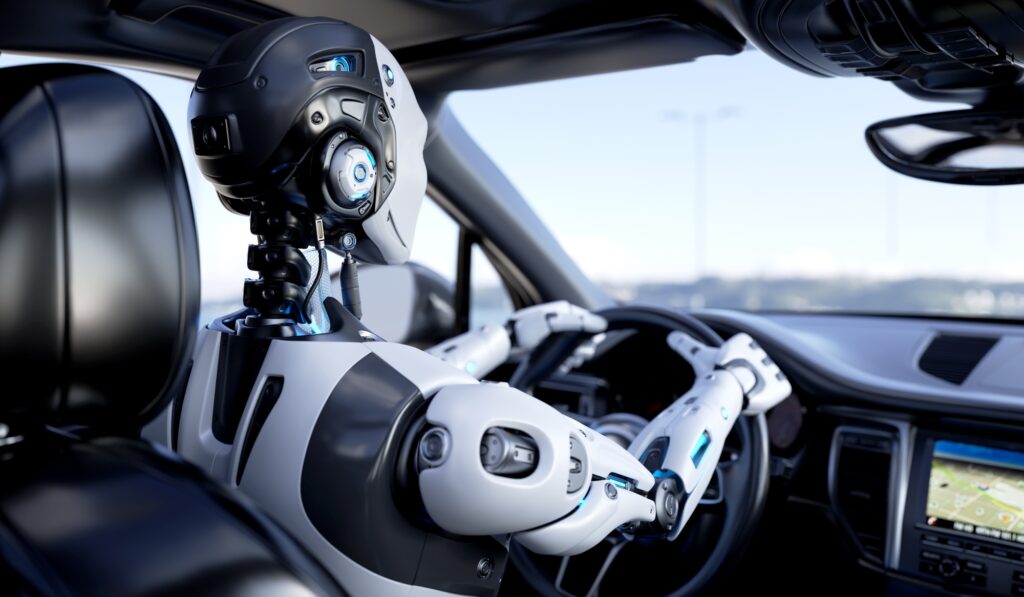
Zhejiang University researchers developed comprehensive rules for cars that use AI to read and respond to human emotions, according to a 2025 study published in The Innovation. The scientists created a three-part management system requiring transparency, ethical constraints, and flexible legal responsibility across automation levels to address safety risks and prevent emotional manipulation as vehicles gain emotion-sensing capabilities.
Harvard Study Reveals OpenAI GPT-4 Boosts Creative Consulting Capabilities but Fails on Strategic Analysis
Harvard-BCG study reveals AI-assisted data analysis enables consultants to complete tasks 25% faster while producing 40% higher quality results, though effectiveness varies significantly based on task complexity and AI capability boundaries.
Is AI Bias Accidental Incompetence or By Design?

Major tech companies like Amazon, Facebook, and Google have repeatedly deployed AI systems with discriminatory biases that align with their business models, suggesting bias serves profitable purposes rather than representing mere oversight or technical incompetence in algorithmic development.
AI College Admissions Screening Shows Promise But Raises Serious Fairness Questions

University of Pennsylvania researchers developed AI models to assess personal qualities in college essays, finding modest predictive power for graduation but raising concerns about gaming, bias, and whether automation truly improves fairness in admissions decisions.
How AI Trend Forecasting is Revolutionizing Jewelry Design

AI-powered trend forecasting tools are transforming how jewelry brands predict consumer preferences by analyzing social media, fashion shows, and shopping behavior. This technology helps designers create collections that match future market demands while staying ahead of competitors in the rapidly evolving jewelry industry.
AI Job Security Crisis in Entertainment Threatens 204,000 Workers by 2027
Entertainment workers face unprecedented change as 75% of industry leaders report AI-driven workforce disruption affecting 204,000 positions by 2027. While Netflix completes VFX work ten times faster using AI tools, unions like SAG-AFTRA negotiate protective contracts requiring consent for digital replicas. Technical roles face automation pressure, but creative decision-making remains human-centered, requiring worker adaptation and industry-wide protective agreements.
Artificial Intelligence 101: Beginner’s Guide to Python for AI Programming

Python dominates AI development due to its simple syntax and powerful libraries like TensorFlow, PyTorch, and Scikit-learn. This comprehensive guide covers Python installation through Anaconda, essential AI libraries including NumPy and Pandas, hands-on coding examples, and practical projects to build your first AI models from scratch.
How Does One Make Their Own AI?

Building your own AI involves six key steps: defining your problem, collecting and preparing data, choosing algorithms and tools, training your model, testing and refining it, and deploying it for real-world use. Modern tools like Python, TensorFlow, and no-code platforms make AI creation accessible to beginners, though success requires understanding machine learning fundamentals and significant practice.
METR Study Found Work Performance Decrease When Professionals Used AI Coding Tools

METR study involving 16 experienced software developers found AI coding tools decreased productivity by 19%, while developers incorrectly believed they were 20% faster, revealing significant disconnect between perception and reality.