AI Job Security Crisis in Entertainment Threatens 204,000 Workers by 2027
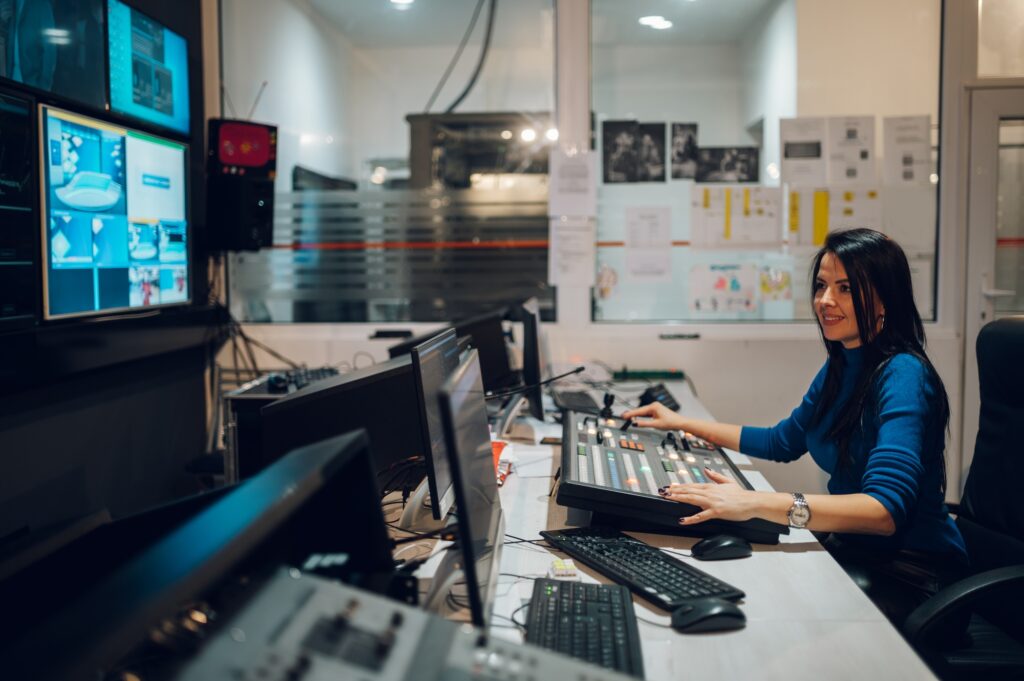
Entertainment workers face unprecedented change as 75% of industry leaders report AI-driven workforce disruption affecting 204,000 positions by 2027. While Netflix completes VFX work ten times faster using AI tools, unions like SAG-AFTRA negotiate protective contracts requiring consent for digital replicas. Technical roles face automation pressure, but creative decision-making remains human-centered, requiring worker adaptation and industry-wide protective agreements.
28 Years Later Leads GenAI Revolution in VFX Production
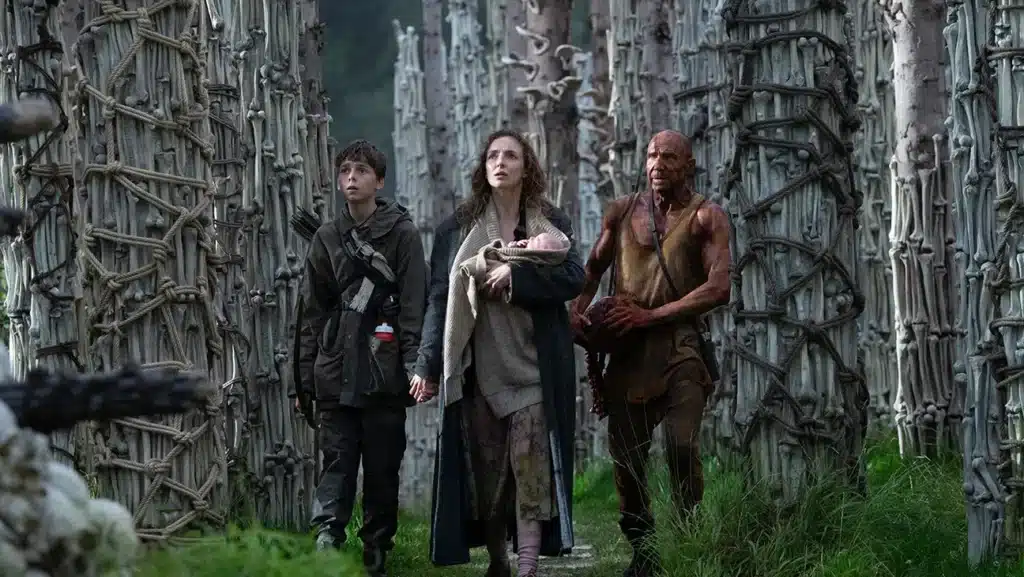
Generative AI can reduce VFX costs by half¹, according to James Cameron, as major studios embrace artificial intelligence to cut production expenses and accelerate workflows. Danny Boyle’s “28 Years Later,” shot on 20 iPhones with a $75 million budget, exemplifies how filmmakers are revolutionizing visual effects production through innovative technology combinations. AI promises time savings of 20-65% depending on genre², while the global animation and VFX market projects growth from $227 billion in 2025 to $548 billion by 2032³.